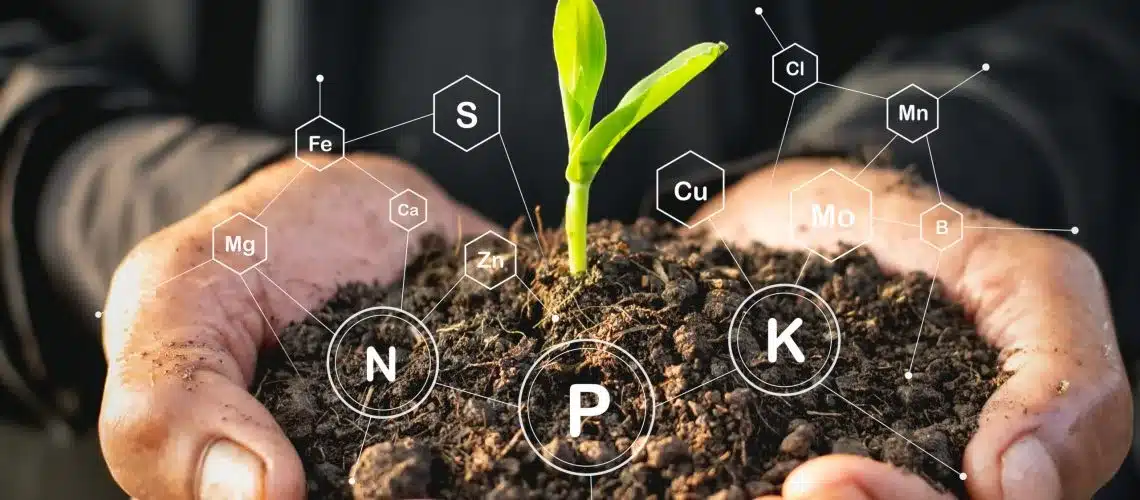
Corn is a highly productive and flexible staple crop. When grown sustainably, good-quality corn has the potential to help nourish a growing world population. Corn yields have increased significantly over the last few decades. According to the United States Department of Agriculture, yields of around 20-30 bushels of corn per acre remained fairly constant until the mid-1900s (one bushed = …
What We’re Reading This Month: Gabe Brown’s “Dirt to Soil”
“I firmly believe that how we steward the whole ecosystem – the land and the crops and the animals – plays a bigger role than which crops you grow and the prices you get.” When Gabe Brown first started working alongside his father-in-law on the family farm in North Dakota, he didn’t set out to stand at the forefront of …
Regenerative Agriculture for the Livestock Farmer
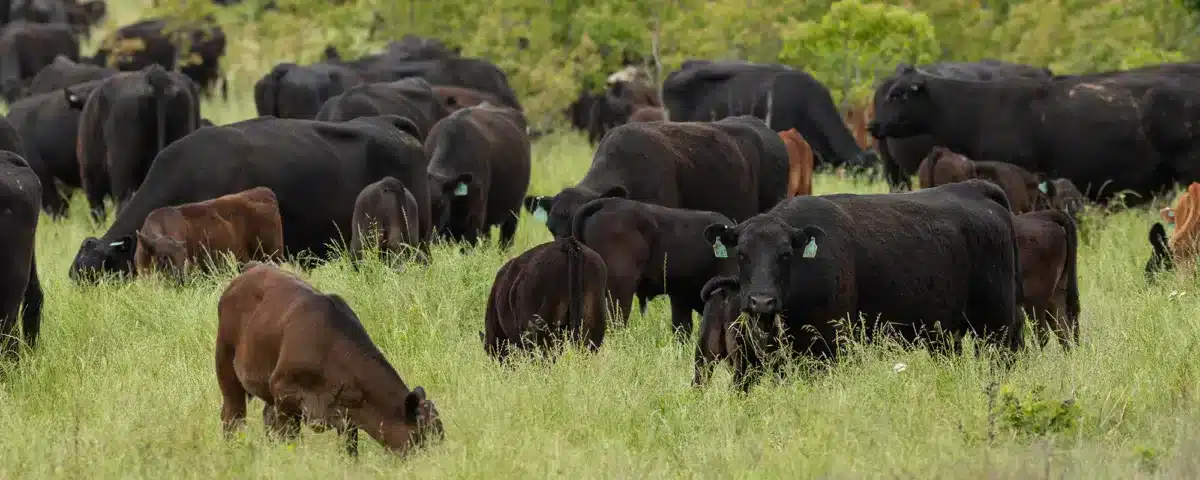
For many people, the term ‘regenerative farming’ conjures up thoughts of soil health practices and different ways of working the land for a better and more sustainable yield. However, regenerative agriculture for livestock may also provide opportunities for animals and livestock farmers to benefit from the same strategies that improve soil fertility and productivity. The benefits of regenerative farming for …
At the Root of it All
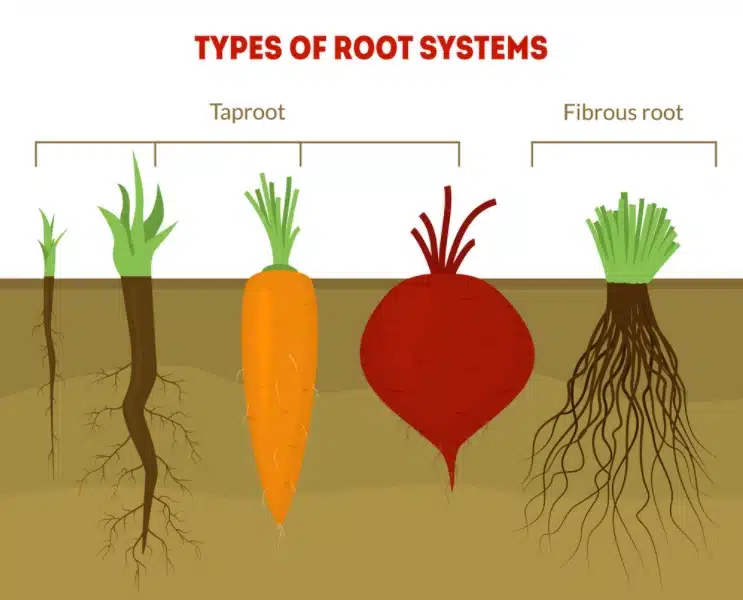
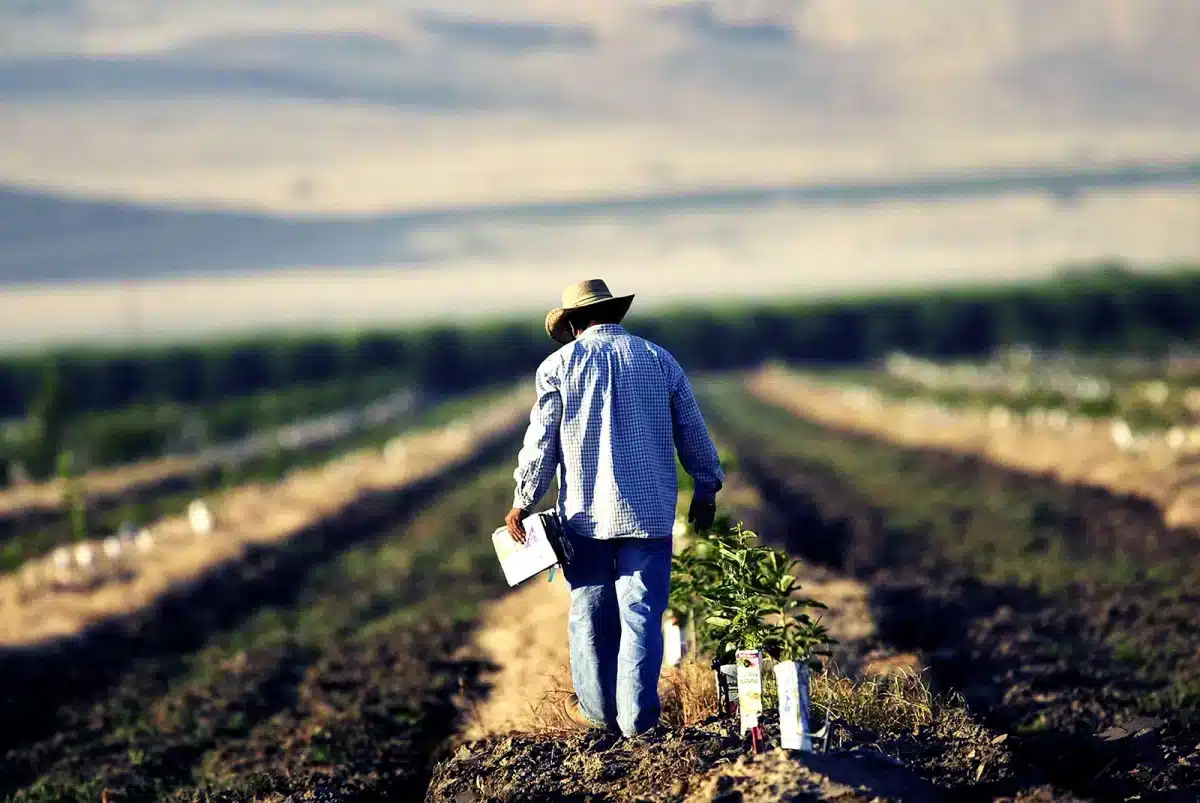
We all know that plants depend on the soil to grow and thrive, but did you know that they can modify the soil too? When you think about what a plant’s root structure looks like, you’ll get an idea why … The soil does not, in fact, provide everything a plant needs freely, and it isn’t necessarily a welcoming environment …
Humour Me: What Exactly is Humus?
humus /ˈhjuːməs/ noun The dictionary definition of humus seems to be fairly straightforward. But, in an article in Eco Farming Daily, German-Norwegian explorer of soil life, Herwig Pommeresche, argues that there is more to humus than carbon counting. Carbon is the basic building block of organic material. Thus, total soil humus content is often expressed in terms of carbon content …
Organic vs. Conventional Agriculture
Is organic or conventional agriculture better for biodiversity? We know that biodiversity is a key component of a healthy soil, and thus of the overall ecology too. Although biodiversity is of vital importance to the health and resilience of ecosystems, it is declining globally. Intensive agriculture has been shown to be one of the main drivers of negative trends in …
Effects of Pesticide Poisoning on Humans, Animals & the Environment
Chemical pesticides are commonly used in agriculture to prevent crops from being eaten and damaged by insects, birds, weeds and other natural pests that have the potential to reduce a farmer’s yields. So yes, pesticides are helpful to farmers, but if they’re able to kill and deter living organisms, what impact can pesticide exposure have on human health, wildlife, and …
Regenerative Agriculture “Isn’t Rocket Science”
“I tell a lot of producers that it’s a good thing we don’t understand chemistry or biology, because we wouldn’t be doing what we’re doing.” – Shane New In an interview with Acres U.S.A, Shane New discusses the need for farmers to take a more biological approach to farming to promote regenerative agriculture. Shane is a stockman, entrepreneur, and partner …
How to Improve Soil Health in Agricultural Systems
Here at Zylem, we walk, talk, live and breathe soil health. But what’s the big fuss about? Read on to learn more about soil health, why it is so important, and how we can improve soil health in agricultural systems in South Africa. In this post: What is soil health? A soil health definition: The significant role of soil The …
Beware the Invaders!
In the July 2020 issue of FarmBiz magazine, Johan van der Waals, Real IPM Technical Manager, explores the effect that invasive plants have on soil health. Although many invasive species have little to no negative impact on soil health, it’s clear that certain species can be detrimental. Invasive plants can have negative impacts on: Biodiversity Growth of surrounding or affected …